Know the Warning Signs
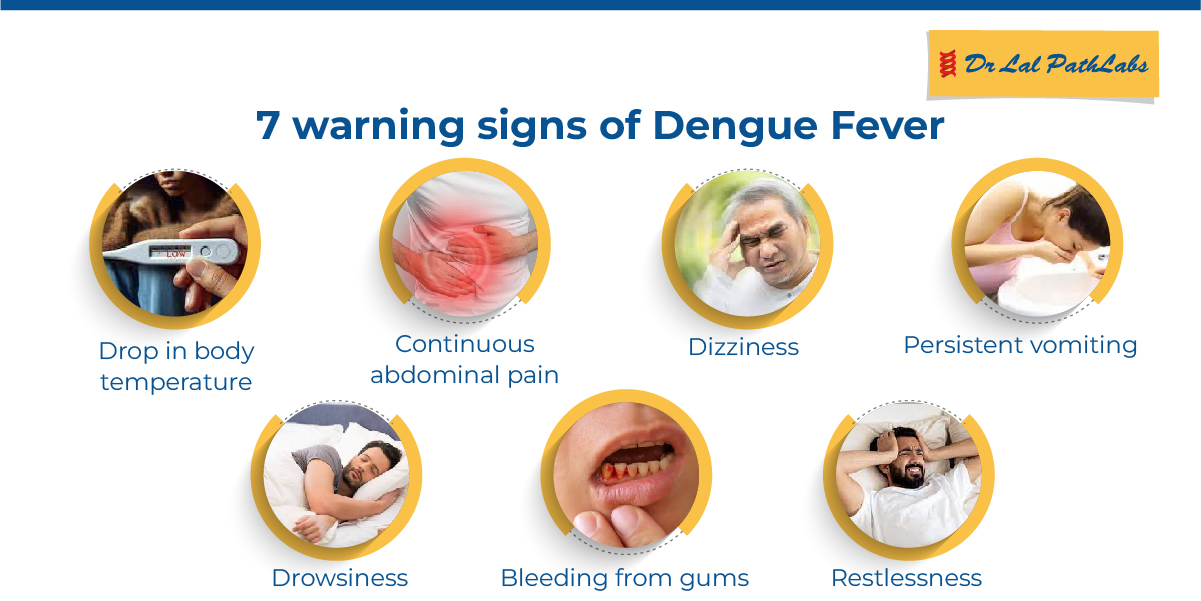
Learn the warning signs of dengue and seek medical attention promptly if symptoms become serious.
Aedes mosquitoes breed in clean, stagnant water and bite mostly at dawn and dusk. Most breeding sites are avoidable with a few habits at home.
Break the breeding cycle before it starts — most Aedes eggs are laid within a few metres of where people sleep.
Report waterlogging and stagnant water near you so field teams can act before mosquitoes hatch.
Reduce bites during peak Aedes activity hours — early morning and just before dusk.
Aedes eggs can hatch in under a week — a short routine check breaks the cycle.
Check buckets, flowerpot trays, and rooftops — even a bottle cap of water is enough.
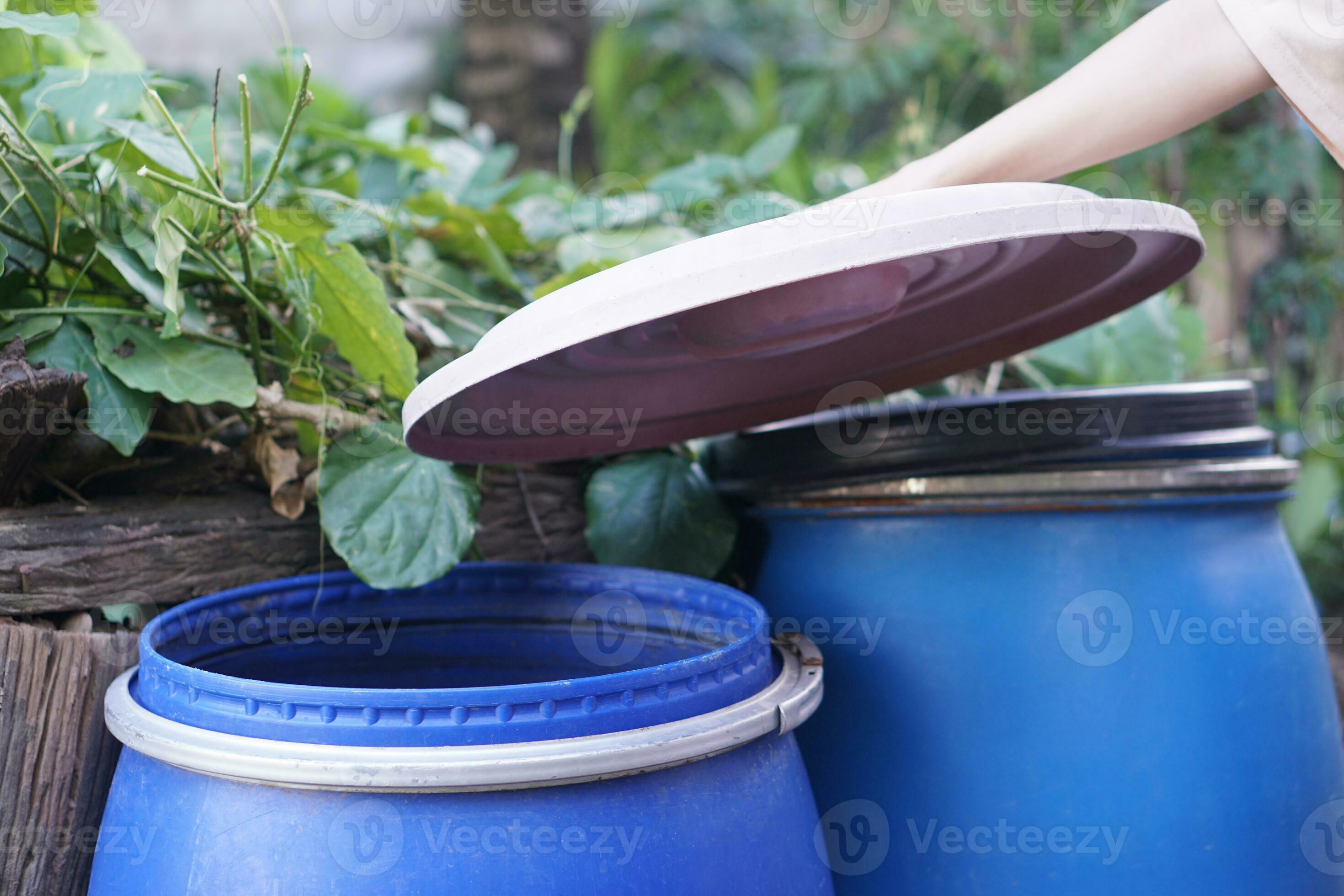
Tightly seal tanks and drums used for storage to block egg-laying sites.
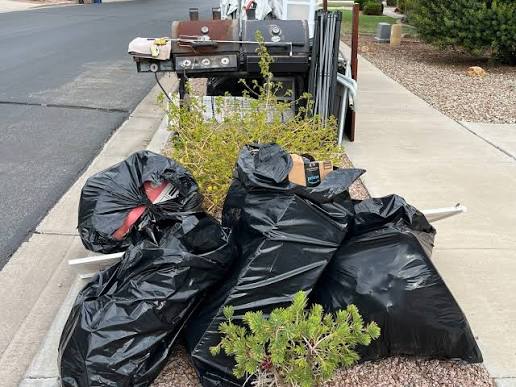
Tyres, bottles, and containers that collect rain are common breeding spots — dispose of them properly.
Refresh flower vases, pet water bowls, and fountains at least twice a week.
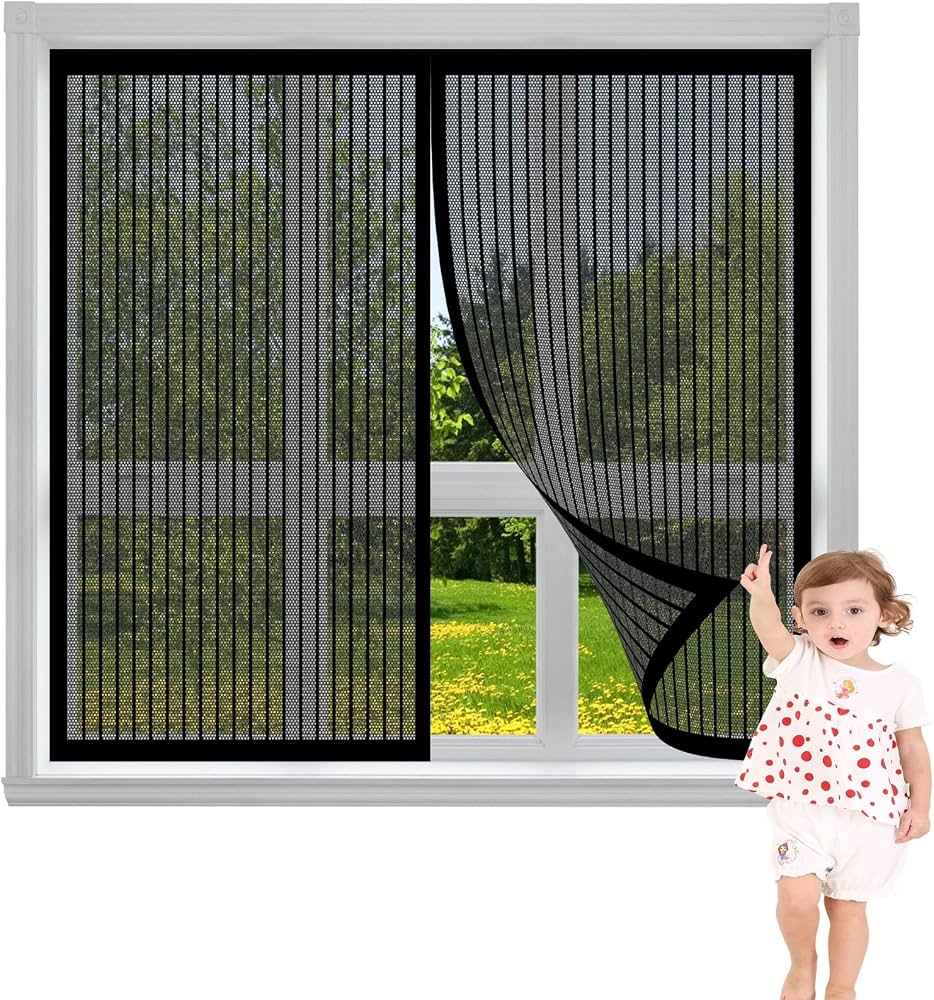
Install mesh on windows and sleep under treated nets, especially at dawn and dusk.
Clear gutters and side-drains so rainwater doesn't pool near the foundation.
Avoid contact with poles or wiring standing in floodwater — report it immediately.
Use the public portal to flag stagnant water near you — it routes straight to the nearest field team.
Search, read, share, and bookmark practical tips curated by the health team.
Learn the warning signs of dengue and seek medical attention promptly if symptoms become serious.
Report stagnant water and waterlogged areas through the public reporting system so authorities can take action quickly.
Use window screens, door screens, and mosquito nets to reduce mosquito bites inside your home.
Remove discarded bottles, cans, tires, plastic containers, and other items that can collect rainwater.
Keep water storage containers tightly covered to prevent Aedes mosquitoes from laying eggs.
Empty water from buckets, flowerpots, trays, tires, and other containers at least once every 3 days to prevent mosquitoes from breeding.
Dengue can escalate quickly — the virus damages blood vessels and can cause internal bleeding in severe cases. Seek medical attention promptly if you or a family member develops these symptoms, especially during peak season.